Dagens industris decision to let an AI system decide, in part, when readers hit the paywall reflects a broader shift in how publishers are trying to squeeze more value from digital audiences without alienating them. Over a two-month test carried out in the spring, Bonnier News and a cross-functional project group at Di built the first version of the system internally rather than buying an off-the-shelf solution, according to Dagens Media. The in-house route, the company said, gave it more control over both the timing and the logic of the experiment.
The tool, called Wally, was allowed to determine half of the paywall decisions during the trial, while editors and other staff handled the rest manually. Caroline Åkerlund, Di’s channel director and the editorial representative in the project, told Dagens Media that the title’s traffic and paywall activity were large enough to generate meaningful data over a limited period. That volume, she said, made Di a useful test site for understanding whether the system was improving subscription conversion or simply shifting around the moment of the lock.
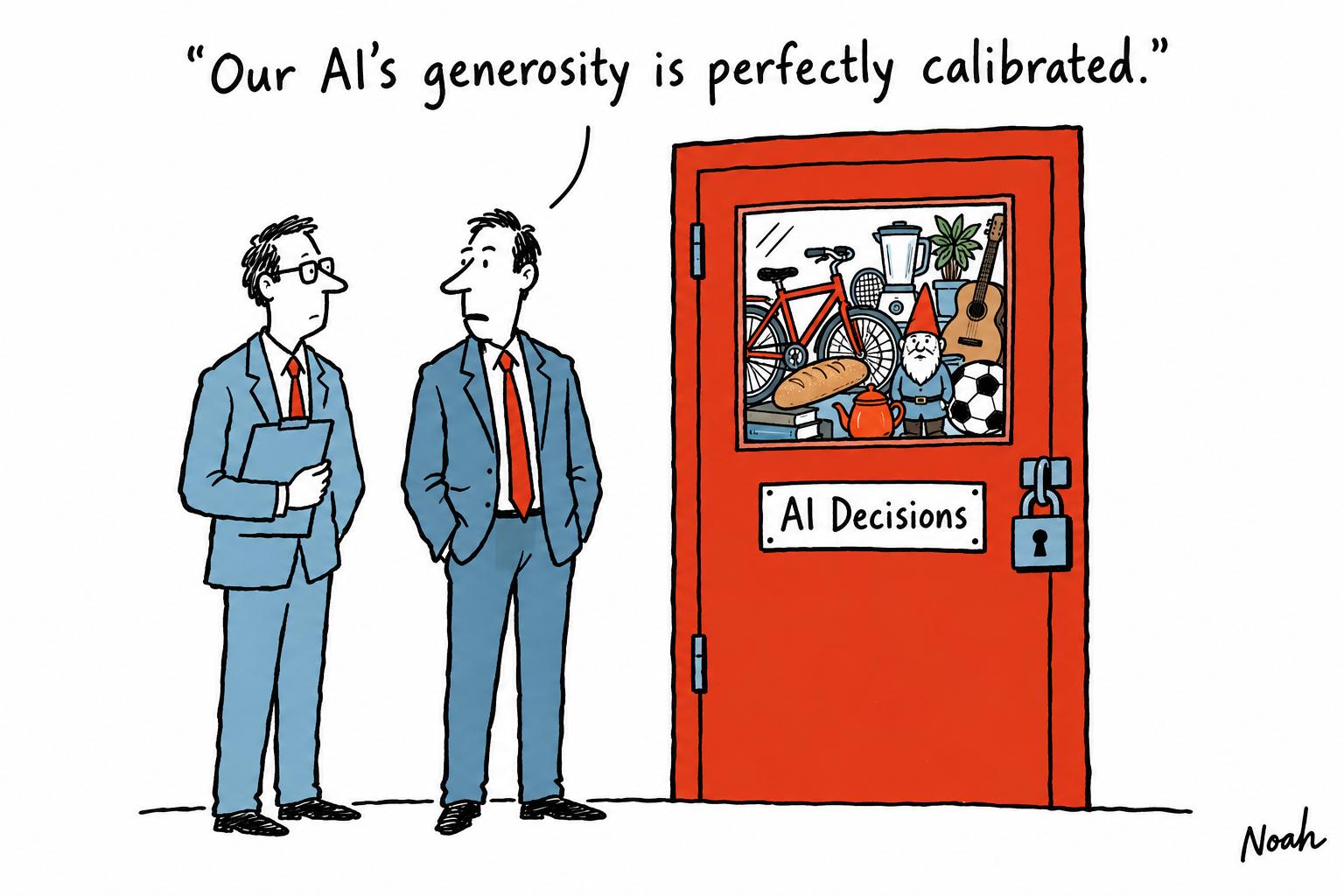
The underlying idea is straightforward, if ambitious: instead of deciding in advance which article should be free and which should be locked, the system uses reader behaviour to judge when a person is most likely to subscribe and then places the wall at that moment. In practice, that means the same article may remain open for one reader and closed for another, depending on how many times they have returned, what they have already seen and how strong the system believes their buying intent to be. Åkerlund argued that giving readers more context before asking them to pay can increase their willingness to convert, because they better understand what they are buying.
She pointed to one example involving coverage of the Strait of Hormuz. A reader checked the article several times over the course of an hour. On the third visit, the article was locked and the reader subscribed. The lesson Di appears to be drawing from cases like that is that timing matters at least as much as subject matter: a paywall that arrives too early may lose a potential subscriber, while one that arrives after interest has deepened may capture a sale.
Like many major news sites, Di’s front end contains a significant amount of live coverage, including fast-moving market updates and agency copy tied to the stock exchange. Those items were excluded from the AI-driven paywall test, leaving the system to work on other kinds of journalism where reader intent is easier to infer and the value proposition can be built more deliberately. That distinction matters, because a paywall that is too aggressive on routine information can frustrate readers, while one that is too permissive risks leaving money on the table.
For now, the early verdict is that Wally has not dramatically outperformed the manual approach, but it has also not underperformed it. According to Dagens Media, the AI-led version matched the human-controlled paywall on conversion and churn. More interestingly for the project team, it locked a wider mix of content, giving the company a broader picture of which articles are capable of converting readers and which are not. In experimentation terms, that may be more valuable than a narrow win: the system has produced a larger set of signals to refine the model further.
Di has been encouraged enough by the results to keep Wally responsible for 50 per cent of locking decisions, so the team can continue gathering data and improving the tool. At present, the system operates on predefined rules rather than learning autonomously, but further down the line the company wants it to become more self-adjusting. Another priority is extending the tool into the app; at the moment, it works only on desktop. Bonnier News is also considering whether the model could eventually be rolled out to more titles across the group.
The Di experiment comes amid a broader wave of AI use across media and subscription businesses, many of them focused less on content generation than on reader journeys and monetisation. NTM, for example, is testing an AI-based recommendation engine at Corren that uses its existing data platform and vectorised article content to guide readers towards related stories. Elsewhere, companies outside publishing are also using AI to sharpen conversion. Superwall has documented cases in which experimentation platforms helped consumer apps optimise paywalls, including LookLab AI, which nearly doubled campaign conversion from 8.3 per cent to 15 per cent after testing different pricing and paywall formats, and Mojo, which increased subscription revenue by 14 per cent after simplifying its approach by removing credits from the paywall.
That reflects a common thread across the digital subscription economy: small changes to the point of purchase can have outsized effects. Research cited by paywall analytics providers suggests that clarity often beats complexity, whether that means showing a price more directly, reducing competing offers or making the next step easier to understand. In that context, Di’s test is less about whether AI can replace editorial judgement than whether it can make subscription moments more precise.
There is also a growing strategic reason for publishers to pay attention. Separate industry research has raised concerns about what some analysts call a “paywall penalty” in AI-driven search and answer systems, arguing that hard paywalls can reduce the likelihood that a publisher’s material will be cited or surfaced by AI tools. The implication is awkward for publishers: locking content may help short-term subscription income, but it can also limit visibility in an emerging information ecosystem where access and citation matter. For that reason, some publishers are trying to balance revenue protection with enough openness to preserve reach.
Viewed against that backdrop, Di’s experiment looks like part of a larger recalibration. Publishers are no longer only asking how to build a wall; they are asking when to build it, how high it should be and whether it should move according to the reader in front of it. For Bonnier News, the answer may eventually lie in a system that learns faster than a manual workflow ever could. For now, Wally’s chief achievement is not that it has revolutionised conversion, but that it has created a more detailed picture of how readers behave when they come close to paying.
Source: Noah Wire Services